A family followed a dream and planted a vineyard.
Cazadero isn’t a brand someone dreamed up in a boardroom. It’s a place — a foggy fold of the far Sonoma Coast where the Egger family has had its hands in the soil for generations.
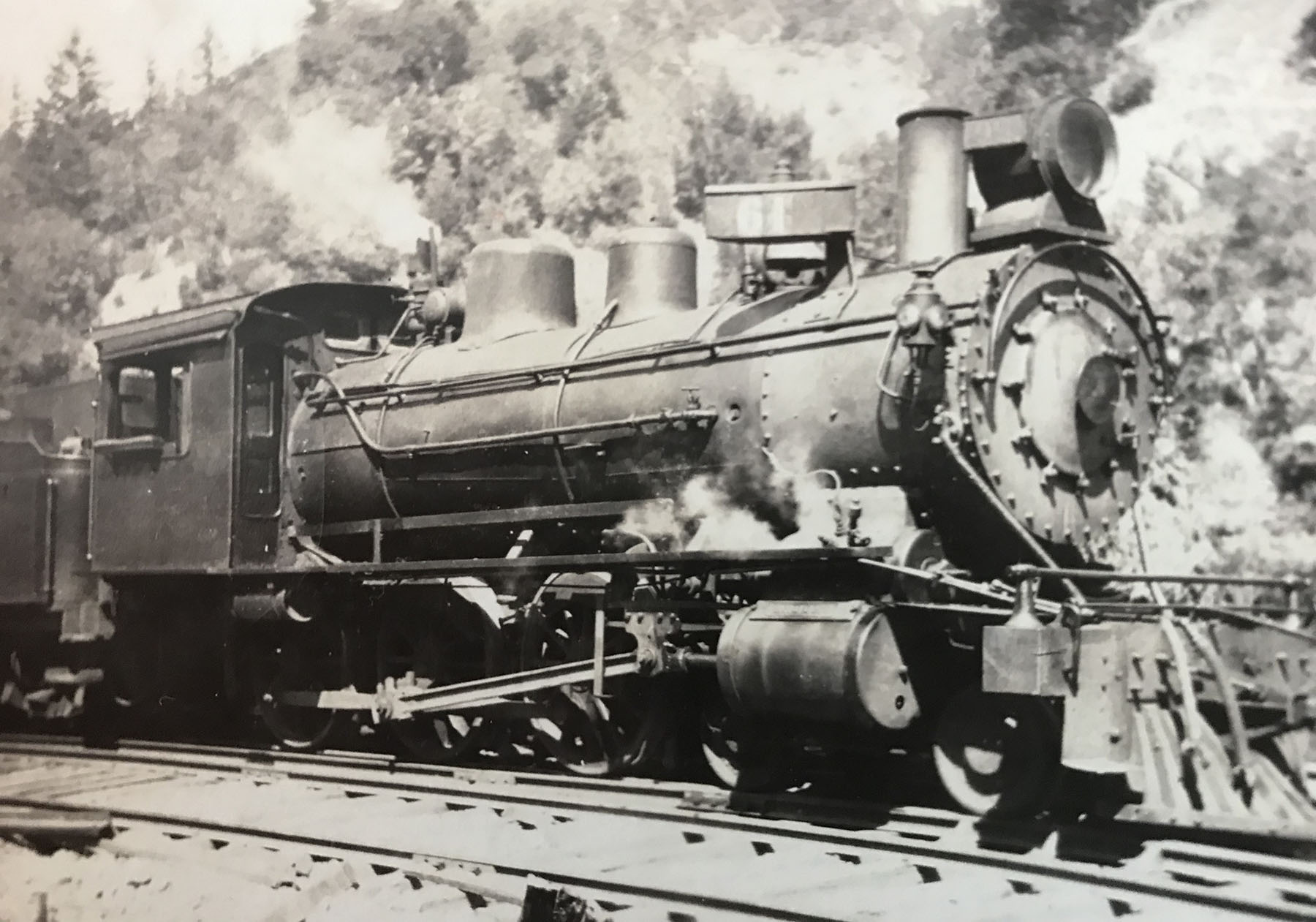
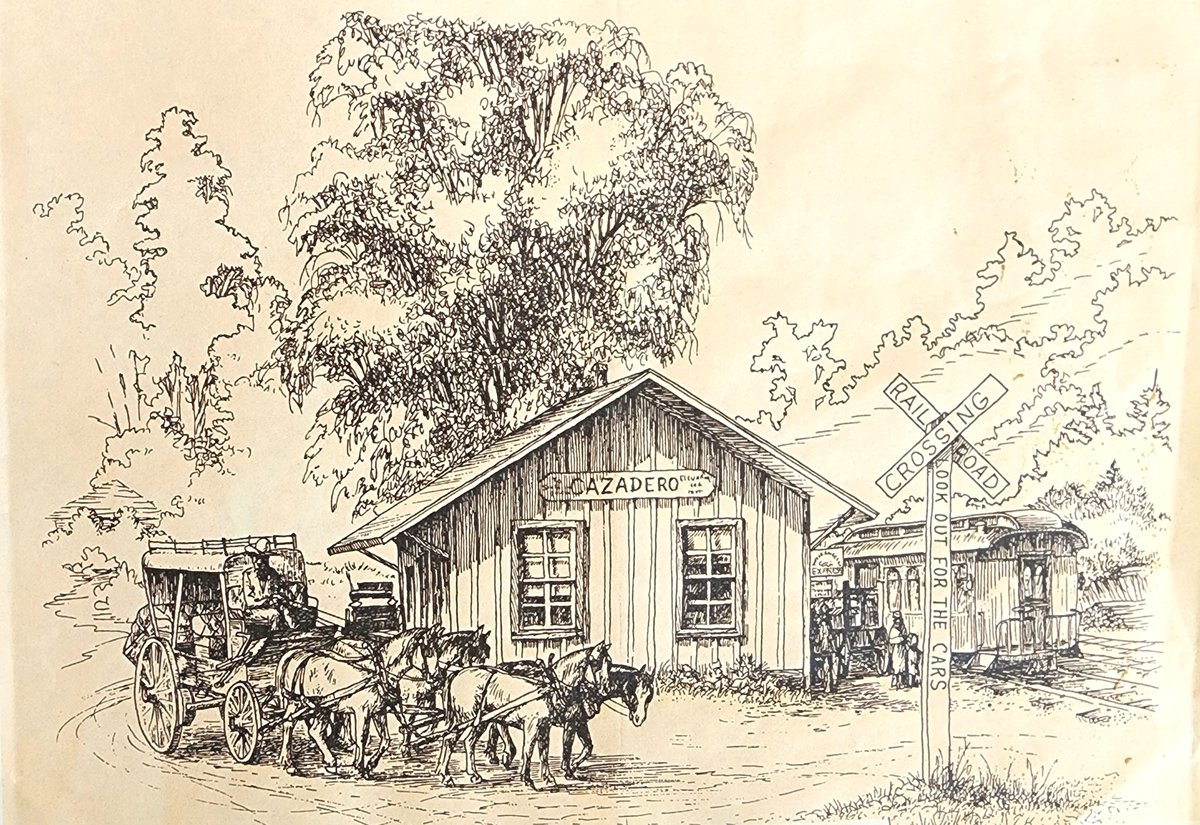
Before there was a bridge, there was a train. In 1918 the Egger family left San Francisco the only way anyone could — by ferry across the Golden Gate, years before the bridge was built — and came ashore at Sausalito to board the Northwestern Pacific. The little train carried them north: through Fairfax, out along the bright edge of Tomales Bay, and up into the redwoods, where the fog comes in off the sea each morning and the sun finds the high ground by afternoon.

Ferry and rail — Saucelito to Tomales, the way north before the bridge.
They had crossed an ocean once already. Eugene Egger had come from Bozen, in the South Tyrol; his wife Anna's people, from Merano in the Alto Adige, had tended vines in the old country for longer than anyone could say. So when the train let them off at the end of the line — a town called Cazadero, at the foot of the redwoods, the cold Pacific just over the ridge — something in them recognized it. The light. The fog. The smell of the sea in the trees. It felt like home. They came back every summer after.
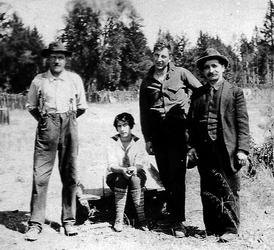
On a rise called Blue Jay Hill, off Fort Ross Road and past the old mill, the Eggers put their first vines into the coastal ground — up in the headwaters of Ward Creek, where the fog pools at dawn and burns off by noon. For a while it was everything an old-world family could have hoped for in a new place: a vineyard of their own, a cabin in the redwoods, summers that ran from one generation into the next. Five of them, in time, would know that ground by heart.
The Depression came, and it took the ranch the way it took so much — quietly, in back taxes no one could pay. The vineyard on Blue Jay Hill slipped out of the family's hands. They kept coming back to Cazadero, to the old cabin on Bei Road, the same fog and the same shade — but the vines were no longer theirs.
For most families, that is where the story ends: a beautiful thing, briefly held, then gone.
Frank Egger is the kind of man a town keeps calling when something needs putting right. He led the San Francisco Teamsters, then gave Fairfax the better part of his life — seven terms as its mayor, decades on its council. He stepped away for a good long while. And when he came back, the town voted him right back in.
So when Frank looked at what the Depression had done to his own family — a vineyard planted with such hope, lost to hard times and never reclaimed — he did the thing he has always done. He set it right.
It’s the same straightness the growers know. Frank farms no vineyards of his own; he earns first pick of the coast’s finest fruit the way he’s earned everything: by being genuine with people, year after year, until the trust runs deep. Growers, townspeople, the people he has stood beside for decades all know the Eggers keep their word. The relationships came first. The medals came after.
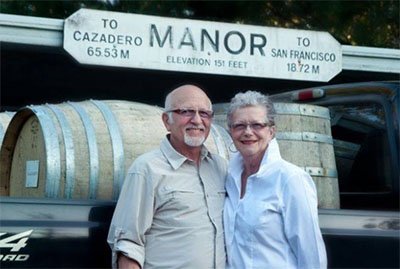
In 2008, Frank and his wife Ronita started Cazadero Winery. No grand château. No investors, no distributor, no wine rep. A true mom-and-pop, its small yearly production made by hand from the same wild stretch of the Sonoma Coast that first drew his grandfather to it a lifetime before.
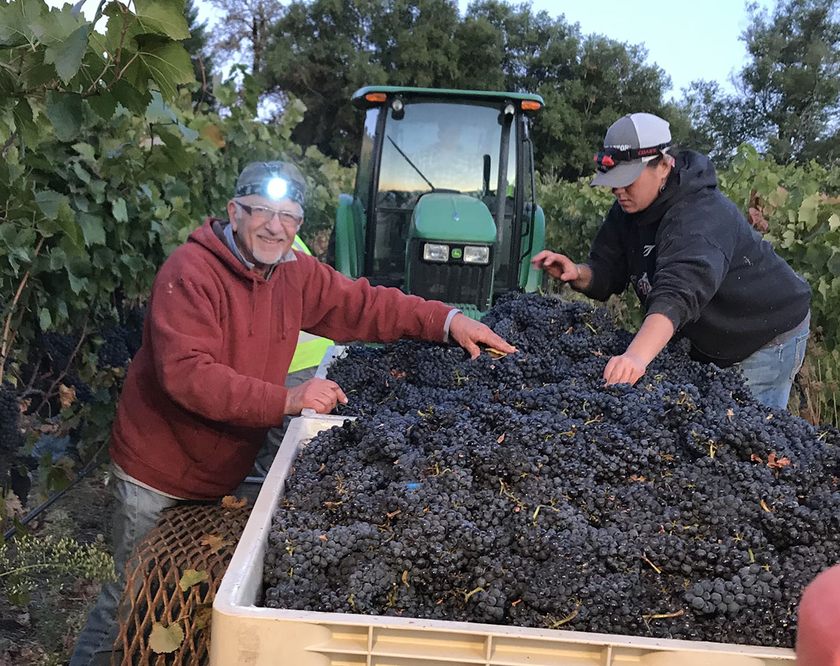
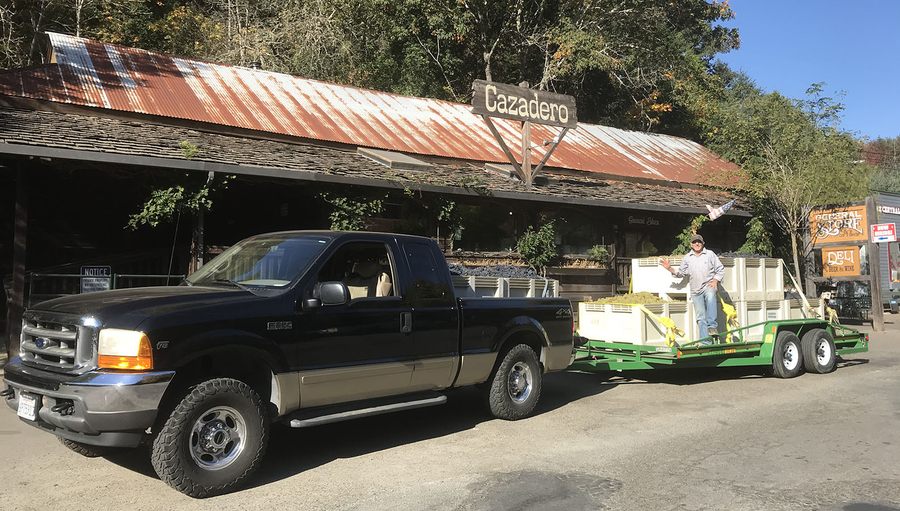
Frank doesn't farm a vast estate. He keeps something rarer: a handful of relationships with small growers working the best, coldest, most coastal sites on the Sonoma Coast — and the patience to take only their finest fruit, by hand, a few rows at a time.
Chief among them is the Bei Ranch. Andrew Bei came from Tuscany in the same years the Eggers came down from the Tyrol, and bought a ridge in Cazadero in the 1920s — a mile and a half, as the crow flies, from that first Egger vineyard. His grandson John planted the vineyard that stands there now, high on a north-facing ridge at sixteen hundred feet, the Pole Mountain lookout on the skyline, the ocean fog climbing the canyons each night. The Bei family has farmed that ground for ninety years. John hand-selected the fruit for Cazadero's award-winning Cabernet until he left us, far too soon, in 2013. Ciao, Johnny Bei.
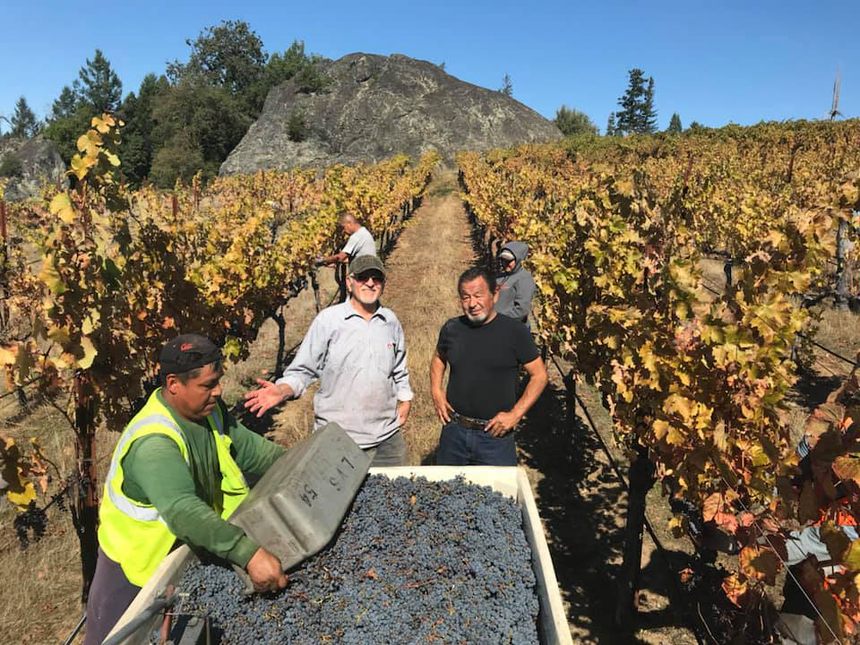
These are the vineyards in the bottle — Bei Ranch on its ridge above Jenner, Hummingbird Hill, Starscape in the Russian River fog. Because fruit grown in ground this rare has nothing to hide behind.
Since 2017, Frank has had one of the quietly gifted young winemakers on the coast at his side — Ashley Herzberg — but the philosophy is Frank's, and it hasn't budged an inch. Everything natural. Native, wild yeast only. No chemicals, no additives beyond a trace of sulfur. The Cabernet is foot-stomped, fermented partly on the whole cluster, and raised in French oak; the Chardonnay barrel-fermented; the Pinot and the Cab left unfined and unfiltered.
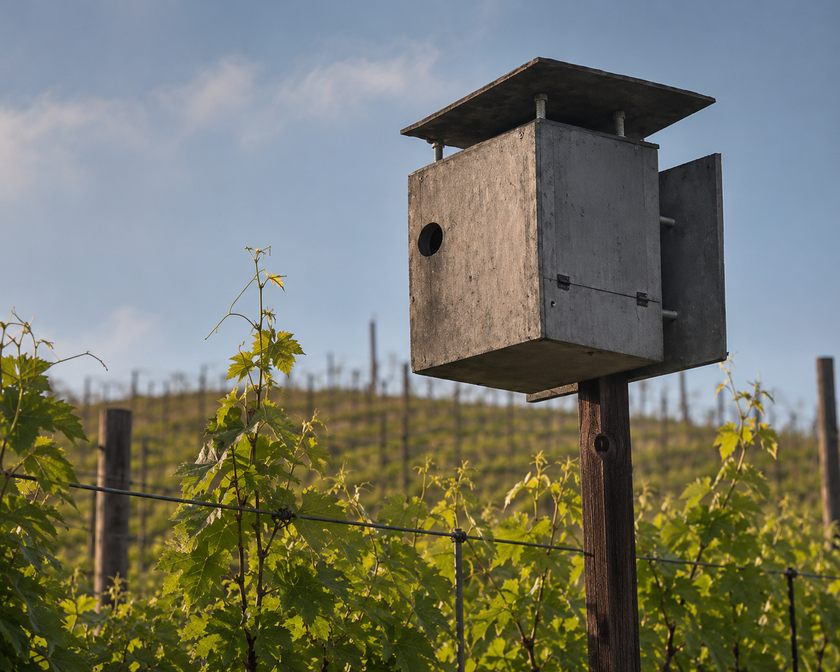
And out in the vineyards, the work is done in partnership with the coast rather than against it — owl boxes on the posts instead of poison, the old balance kept. Nothing added that this place didn't already put there.
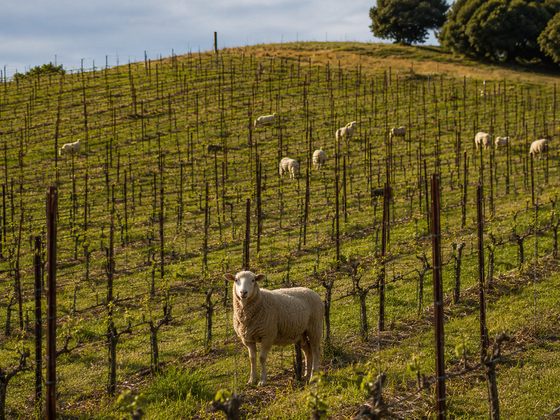
Cazadero is not a recipe. It changes with the season, every year — because the coast changes with the season, and that is the whole point.
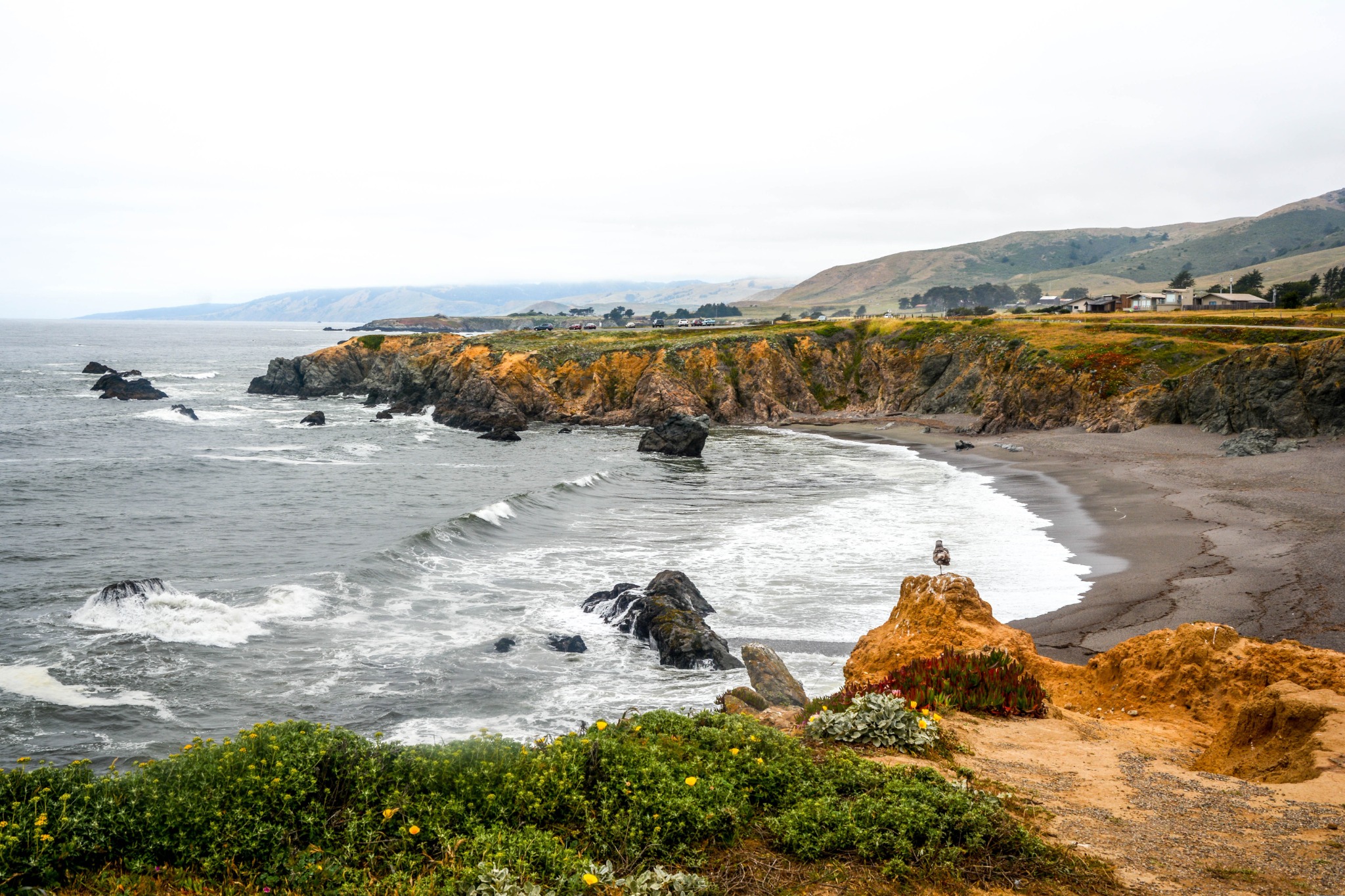
It began with a young family stepping off a train into the redwoods and fog. Against all sense and distance, they decided this was home. They planted. They lost it. Generations later, Frank carried the family dream back to the same coastal ground.
That is what you are holding. Not just a label, but the ferry and the rail, the redwoods and the headlands, a dream lost and a dream set right.